
Robotic Gynecologic Surgery
Advanced minimally invasive surgery for selected fibroids, endometriosis, hysterectomy, ovarian cysts and complex pelvic conditions.
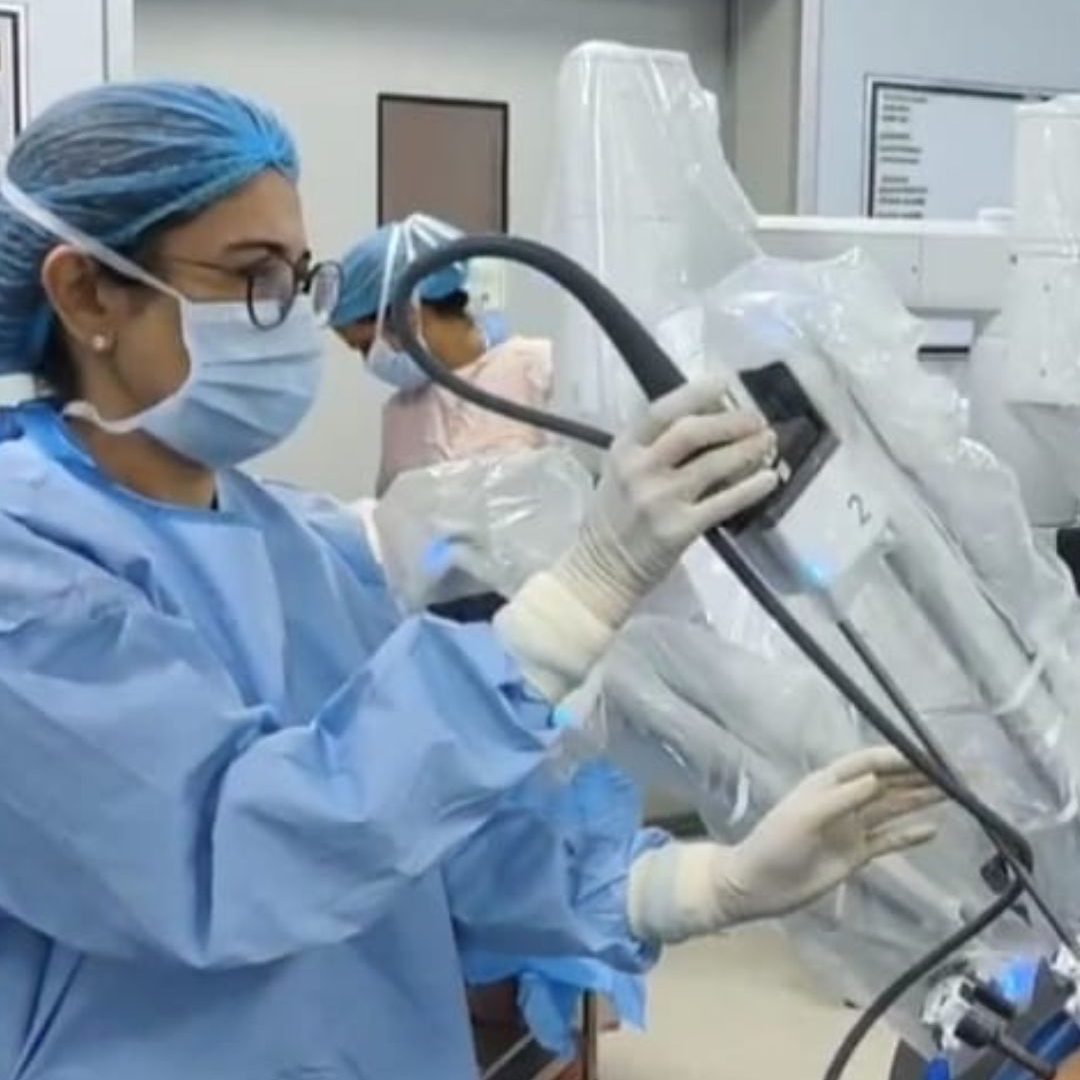
Robotic gynecologic surgery is a minimally invasive surgical approach where the surgeon controls robotic instruments through a console. It may help in selected complex gynecologic conditions where precision, deep pelvic access and fine tissue handling matter. It is not automatically better for every patient, so the decision should be based on diagnosis, uterus size, fertility goals, previous surgery, scar tissue, cost and recovery expectations.
What is robotic gynecologic surgery?
Robotic gynecologic surgery is a form of minimally invasive surgery. Small cuts are made on the abdomen, and a camera with slim instruments is inserted through these cuts. The surgeon sits at a console and controls the robotic arms throughout the procedure.
The robot does not operate by itself. It follows the surgeon's hand movements. The system gives a magnified 3D view and allows very fine movements in areas that may be difficult to reach during open surgery or standard laparoscopy.
When may robotic surgery be useful?
Robotic surgery is usually considered when a gynecologic condition needs surgical treatment and a minimally invasive route is suitable. It may be especially useful when the operation is technically complex, the pelvis has scar tissue, the uterus is enlarged, or delicate dissection is needed near the bladder, bowel, ureter or ovaries.
The final choice depends on clinical examination, scan findings, previous operation history, fertility goals and the surgeon's assessment.
- Fibroids where uterus-preserving myomectomy may be considered.
- Hysterectomy for selected cases of heavy bleeding, fibroids, adenomyosis or other benign conditions.
- Endometriosis, especially when disease is deep, painful or close to pelvic organs.
- Ovarian cysts where careful tissue handling and ovarian preservation matter.
- Pelvic adhesions or scar tissue after previous infection, surgery or endometriosis.
- Pelvic organ prolapse repair in selected patients.
- Complex gynecologic surgery where open surgery may otherwise be considered.
How robotic surgery is performed
The procedure is done under anesthesia. The abdomen is gently inflated with gas so the surgeon can see and work safely. A camera and robotic instruments are placed through small cuts. The surgeon controls every movement from the console, while the operating team remains beside the patient.
The operation time depends on the condition being treated. A robotic hysterectomy, robotic myomectomy, endometriosis surgery or ovarian cyst surgery can each have a different duration and recovery plan.
- Small abdominal cuts are made for the camera and instruments.
- A magnified 3D view helps the surgeon see pelvic organs clearly.
- Robotic instruments allow controlled movements in deep pelvic spaces.
- The affected tissue is treated, removed or repaired based on the surgical plan.
- The small cuts are closed and recovery instructions are given.
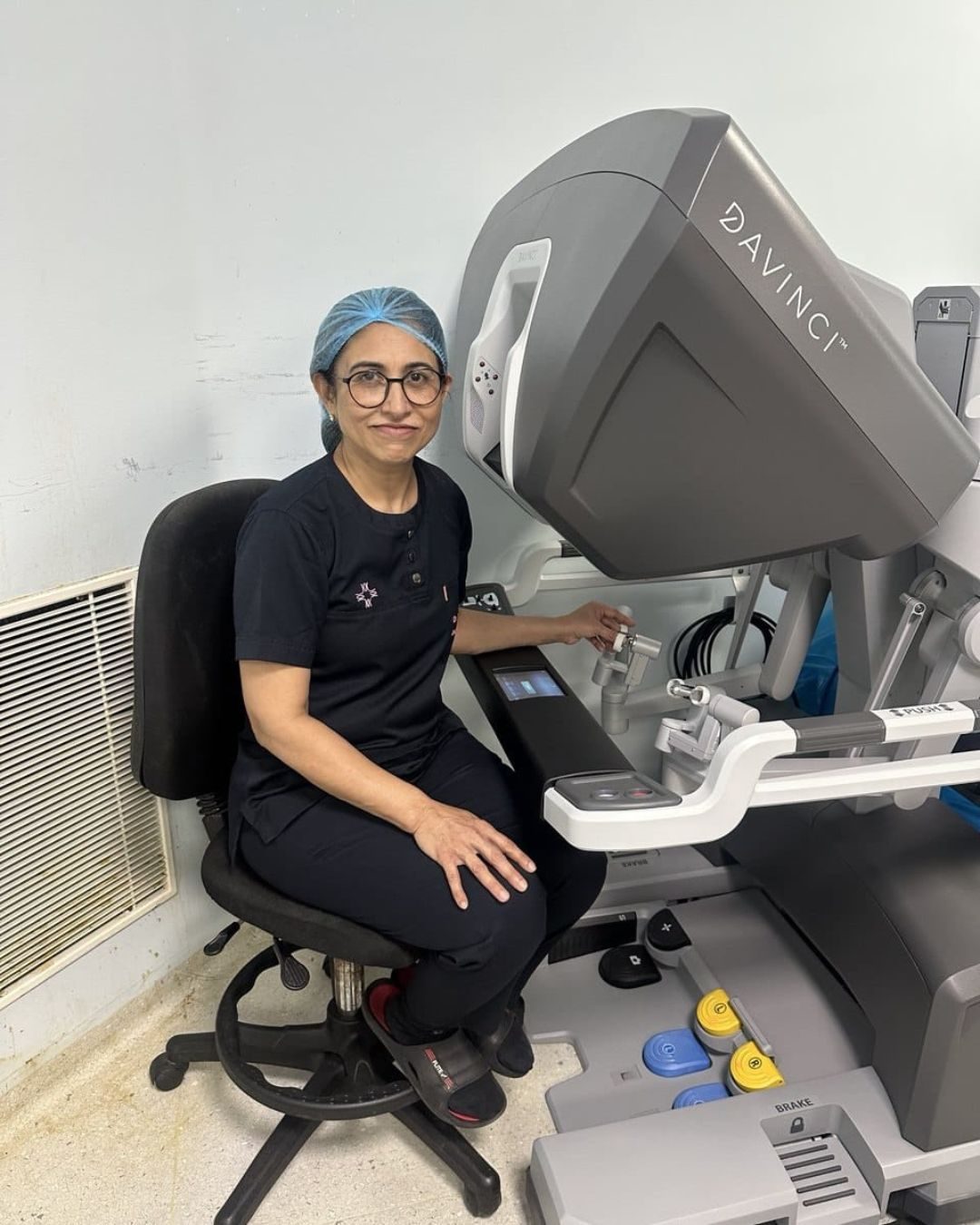
Robotic surgery versus laparoscopic surgery
Robotic surgery and laparoscopic surgery are both minimally invasive approaches. Both use small cuts, a camera and special instruments. The difference is how the instruments are controlled and how the surgeon sees and moves inside the pelvis.
Robotic surgery may offer better wrist-like movement, stable magnified vision and easier access in selected complex cases. Laparoscopy may be equally suitable for many routine procedures and can sometimes be more cost-effective. The best approach is the one that fits the diagnosis and gives a safe result.
- Robotic surgery may help in deep pelvic surgery, complex endometriosis or difficult fibroid cases.
- Laparoscopic surgery may be enough for many cysts, simpler fibroids and routine minimally invasive procedures.
- Open surgery may still be safer in selected very large, emergency or medically complex cases.
- The right choice depends on the condition, surgeon expertise, hospital setup, recovery goals and cost.
Benefits patients usually ask about
The possible benefits of robotic gynecologic surgery are linked to the minimally invasive approach. Smaller cuts may mean less wound pain, less blood loss, shorter hospital stay and faster return to routine compared with open abdominal surgery.
These benefits are not guaranteed for every patient. They depend on the type of surgery, disease severity, anesthesia fitness, previous surgery, body weight, bleeding risk and recovery support at home.
- Smaller cuts compared with open surgery.
- Less visible scarring in many cases.
- Less blood loss in selected procedures.
- Better vision and fine movement for complex pelvic work.
- Shorter hospital stay than open surgery in many patients.
- Faster return to light routine when recovery is uncomplicated.
Risks and limitations
Robotic surgery is still surgery. It needs anesthesia, operating room time and proper recovery. Like any gynecologic operation, it can carry risks such as bleeding, infection, blood clots, anesthesia-related issues or injury to nearby organs such as bladder, bowel or ureter.
It may also cost more than standard laparoscopy because of equipment and hospital charges. A careful consultation should explain whether the added robotic support is likely to offer a real advantage in your specific case.
Recovery after robotic gynecologic surgery
Recovery depends on the exact procedure. A small ovarian cyst surgery is not the same as a hysterectomy or deep endometriosis surgery. Many patients walk the same day or next day, but lifting, exercise, intercourse and work return need procedure-specific advice.
You may have mild abdominal pain, shoulder-tip discomfort from gas, tiredness, spotting or pulling around the cuts. These usually improve gradually, but severe or worsening symptoms should be reviewed.
- Light walking is usually encouraged early unless your doctor advises otherwise.
- Heavy lifting and intense exercise are usually restricted for a few weeks.
- Driving depends on pain, anesthesia recovery and whether you are taking strong pain medicines.
- Work return depends on your procedure and job type.
- Follow-up is important to review wound healing, biopsy reports if any and the next care plan.
Robotic surgery cost factors
Robotic surgery cost varies because the procedure is not one fixed package. A robotic hysterectomy, robotic myomectomy and robotic endometriosis surgery can have different charges because time, instruments, anesthesia, hospital stay and complexity are different.
Instead of comparing only the headline price, ask what is included, whether medicines and investigations are extra, how many days of hospital stay are expected and whether a non-robotic minimally invasive option is also suitable.
- Type of procedure and expected operating time.
- Hospital, anesthesia and robotic equipment charges.
- Whether the case is simple or complex.
- Need for biopsy, blood products, extra instruments or longer stay.
- Insurance coverage and pre-authorization rules.
- Whether laparoscopy or another approach would give similar benefit.
Robotic gynecologic care with Dr Tripti Raheja
At Raheja Clinic, Dr Tripti Raheja reviews your symptoms, ultrasound or MRI findings, fertility goals, previous surgeries and recovery expectations before advising robotic surgery. The aim is to choose the right route, not the most advanced-sounding route.
As a gynecologist and obstetrician with minimally invasive surgical experience, Dr Tripti Raheja helps patients understand whether robotic surgery, laparoscopic surgery, hysteroscopy, medicine or observation is the most sensible next step. Patients looking for a robotic gynaecologic surgeon should use the consultation to compare safety, recovery, cost and alternatives clearly.
What to bring for your consultation
Bring reports that show the size, location and severity of the condition. Robotic surgery planning depends heavily on imaging and previous surgical history.
- Recent ultrasound, MRI or CT reports if available.
- Previous surgery notes, especially cesarean, myomectomy, laparoscopy or hysterectomy-related records.
- Current medicines, allergies and medical conditions.
- Blood reports, biopsy reports or Pap smear reports if relevant.
- Fertility plans or pregnancy goals if uterus or ovaries need preservation.
- Questions about laparoscopy, robotic surgery, open surgery, recovery and cost.
Frequently asked questions
What is robotic gynecologic surgery?
Robotic gynecologic surgery is minimally invasive surgery where the surgeon controls robotic instruments through a console. The robot does not work independently. It helps the surgeon operate with magnified 3D vision and fine instrument movement.
Is robotic surgery better than laparoscopic surgery?
Not always. Robotic surgery may be useful in selected complex cases, while laparoscopy may be equally suitable for many routine gynecologic surgeries. The better option depends on diagnosis, complexity, cost, surgeon expertise and recovery goals.
Which gynecologic conditions can be treated with robotic surgery?
Robotic surgery may be used for selected fibroids, hysterectomy, endometriosis, ovarian cysts, adhesions, pelvic organ prolapse and complex pelvic surgery. Suitability depends on scan findings and clinical assessment.
Can robotic surgery be used for fibroids?
Yes, robotic myomectomy may be considered for selected fibroids, especially when uterus preservation is important. Not every fibroid needs surgery, and not every fibroid is best treated robotically. Size, number, location and fertility goals matter.
Can robotic surgery help with endometriosis?
Robotic surgery may help in selected endometriosis cases, especially when disease is deep, complex or close to organs such as bowel, bladder or ureter. The decision depends on symptoms, MRI or ultrasound findings, fertility goals and previous treatment.
Is robotic surgery painful?
You do not feel pain during surgery because it is done under anesthesia. After surgery, pain is usually less than open surgery for many patients, but cramps, shoulder discomfort, incision soreness and tiredness can still occur.
How long is recovery after robotic gynecologic surgery?
Recovery depends on the procedure. Some patients return to light activity quickly, while hysterectomy, myomectomy or deep endometriosis surgery may need several weeks of restricted activity. Your doctor should give procedure-specific recovery advice.
Does robotic surgery leave scars?
Robotic surgery uses small abdominal cuts, so scars are usually smaller than open surgery scars. Scar appearance depends on healing, skin type, incision sites and whether any wound complication occurs.
Why does robotic surgery cost more?
Robotic surgery may cost more because of robotic equipment, instruments, operating room time, anesthesia and hospital charges. Cost also changes with procedure complexity, hospital stay, investigations and insurance coverage.
When should I call the doctor after robotic surgery?
Call your doctor if you have fever, heavy bleeding, worsening pain, redness or discharge from cuts, chest pain, breathlessness, leg swelling, fainting, vomiting or difficulty passing urine. These symptoms should not wait for routine follow-up.
What is robotic surgery being considered for?
Choose the closest condition. The best route depends on reports and examination.
Book an Appointment
Get the care you deserve. With our expertise and dedication, you can expect nothing but the finest care for all your women's health concerns.
- 29+ years of clinical experience
- Compassionate, patient-first care
- Advanced laparoscopic & robotic surgery