
Laparoscopic Gynecologic Surgery
Minimally invasive gynecologic surgery for selected cysts, endometriosis, fibroids, pelvic pain and fertility-related conditions.
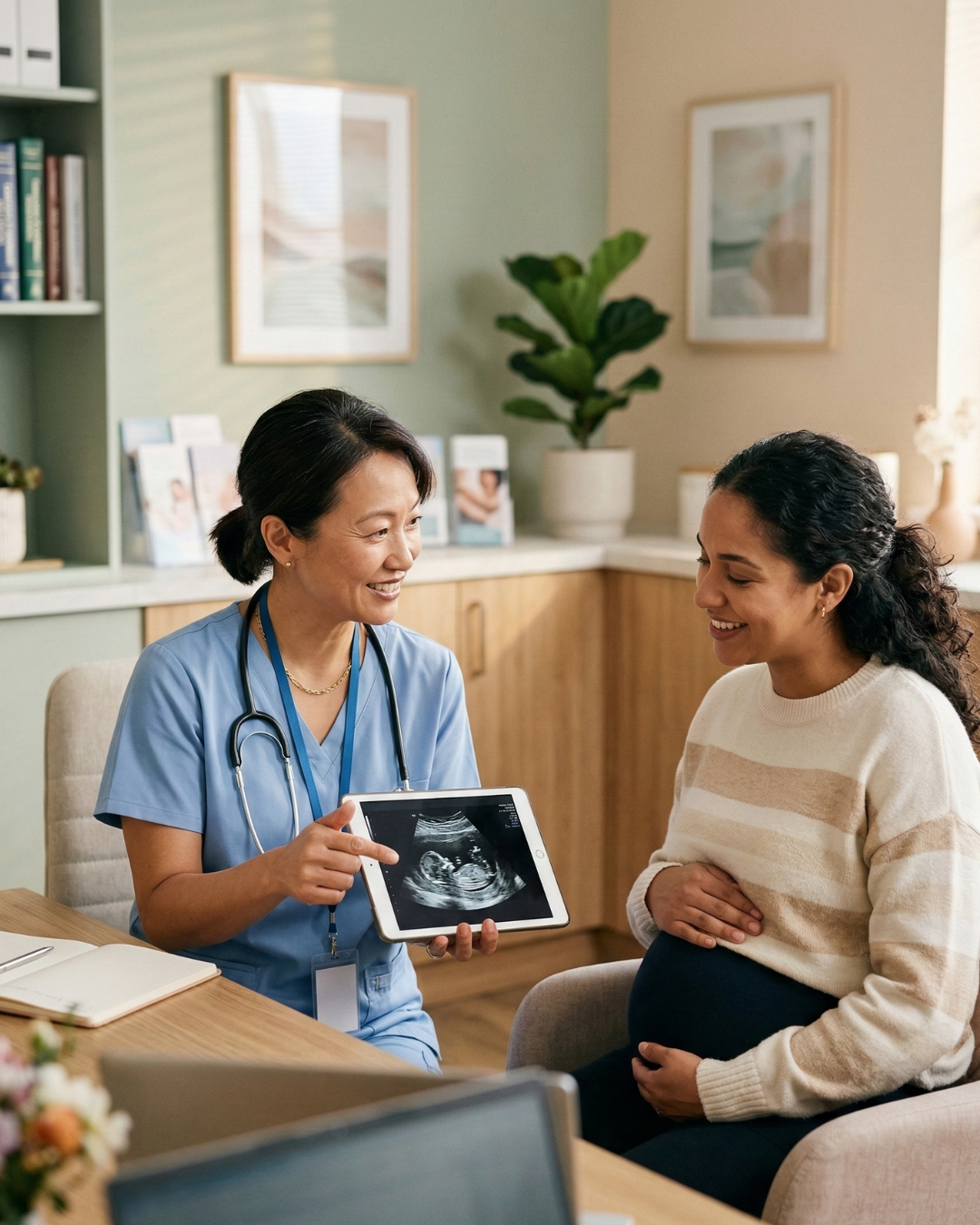
Laparoscopic gynecologic surgery is usually considered when symptoms, scans or fertility tests suggest that seeing the pelvis directly may change the treatment plan. It can diagnose and treat selected problems such as ovarian cysts, endometriosis, adhesions, fibroids, ectopic pregnancy, pelvic pain and unexplained infertility. It is not needed for every cyst, every pain symptom or every fertility concern, so the first goal is to decide whether surgery will actually add value in your case.
What is laparoscopic gynecologic surgery?
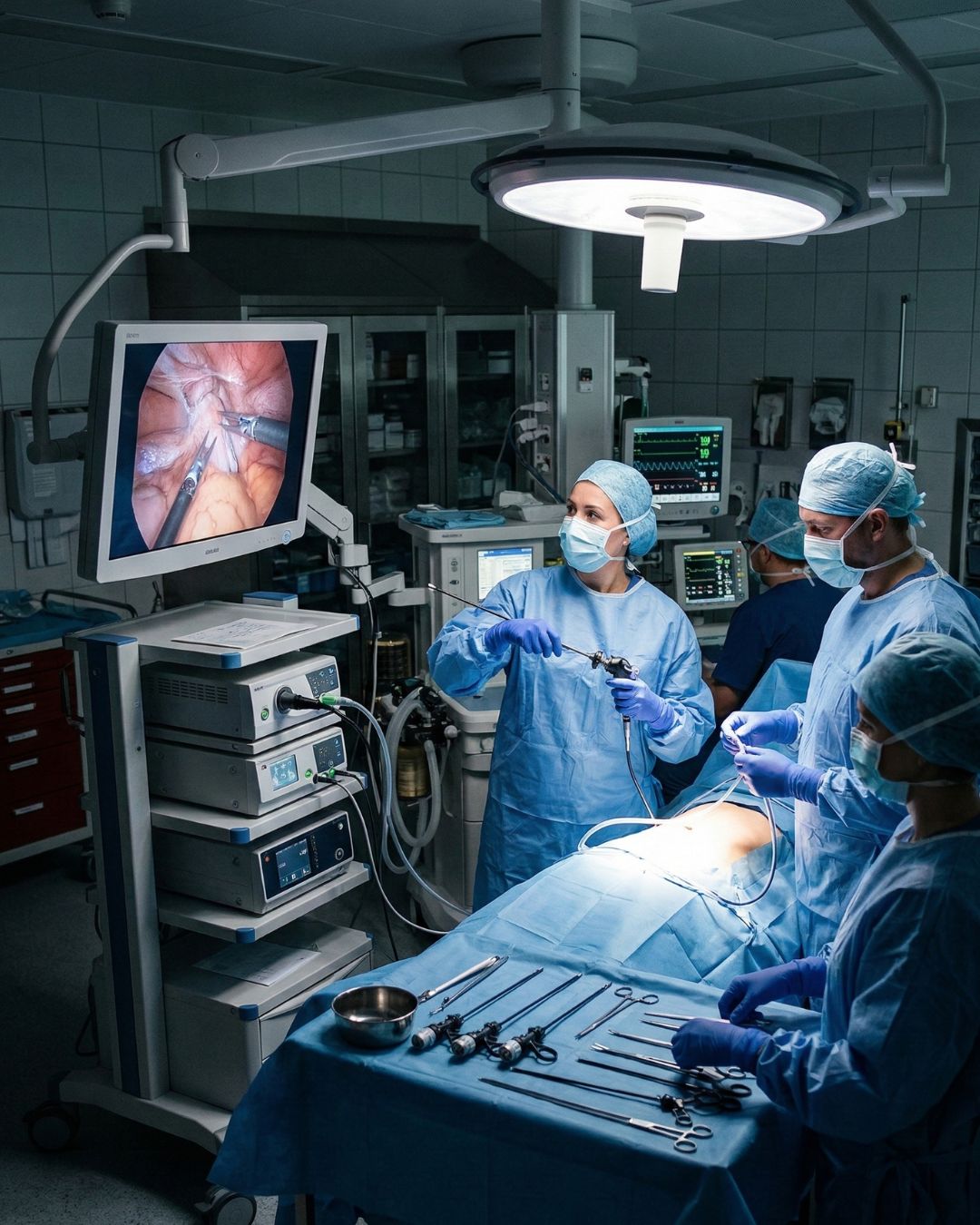
Laparoscopic gynecologic surgery is a minimally invasive procedure done through small cuts on the abdomen. A thin camera called a laparoscope is placed through one cut, usually near the belly button. This lets the surgeon see the uterus, ovaries, fallopian tubes and surrounding pelvic organs on a screen.
The same procedure may be diagnostic, operative or both. Diagnostic laparoscopy looks for the reason behind symptoms. Operative laparoscopy treats the problem found during the same sitting, if it is safe and already discussed before surgery.
When may laparoscopy be advised?
A laparoscopic gynecologist may advise surgery when the expected benefit is stronger than the risk of waiting or using medicines alone. The decision depends on symptoms, ultrasound or MRI findings, age, fertility plans, previous surgery, general health and whether the condition is likely to improve without surgery.
- Ovarian cysts that are large, persistent, painful, growing or concerning on scan.
- Endometriosis with pelvic pain, painful periods, pain during intercourse or fertility concerns.
- Fibroids where laparoscopic myomectomy may help preserve the uterus.
- Pelvic adhesions or scar tissue after infection, endometriosis or previous surgery.
- Ectopic pregnancy when medical treatment is not suitable or urgent care is needed.
- Unexplained infertility where laparoscopy may reveal endometriosis, adhesions or tubal problems.
- Chronic pelvic pain where other tests have not found a clear cause.
When surgery may not be the first step
A good treatment plan also explains when laparoscopy can wait. Many simple ovarian cysts settle on their own. Some pelvic pain improves with medicines, hormonal treatment, lifestyle changes or pelvic floor care. Some infertility cases need completion of the full fertility evaluation before surgery is useful.
Observation may be reasonable when a cyst is small, simple-looking, not causing severe symptoms and safe to monitor. The plan changes if pain worsens, the cyst grows, periods become very heavy, fertility is affected or scan features look complex.
Diagnostic and operative laparoscopy
Diagnostic laparoscopy is mainly used to understand what is happening inside the pelvis. It may be advised for unexplained pelvic pain, suspected endometriosis or infertility when basic tests have not given enough clarity.
Operative laparoscopy treats a planned problem. This may include ovarian cyst removal, endometriosis treatment, adhesion release, ectopic pregnancy treatment or laparoscopic myomectomy for selected fibroids. Recovery, cost and time away from work depend more on what is done inside than on the number of small cuts outside.
Ovarian cyst laparoscopy
Laparoscopic surgery for a cyst on the ovary is usually considered when the cyst does not go away, causes pain, becomes large, twists, bleeds, looks complex on scan or affects fertility planning. The goal is often cystectomy, which means removing the cyst while preserving as much healthy ovary as possible.
This point is especially important for women planning pregnancy. If the cyst is an endometrioma, also called a chocolate cyst, both the disease and surgery can affect ovarian reserve. The consultation should include whether surgery is needed now, how the ovary will be protected and whether fertility treatment should be planned before or after surgery.
Endometriosis and fertility questions
Laparoscopic surgery and endometriosis are closely linked because laparoscopy can confirm disease, remove visible implants and release adhesions. It may reduce pain and may improve natural conception chances in selected cases.
Surgery is not automatically the right first step for every patient with suspected endometriosis. Age, ovarian reserve, cyst size, pain severity, semen analysis, tube status, previous surgery and IVF plans should be reviewed together. The most useful question is not just whether endometriosis is present. It is whether surgery will change the next treatment decision.
Fibroids and laparoscopic myomectomy
Laparoscopic surgery for myomectomy may be discussed when fibroids cause heavy bleeding, pelvic pressure, pain, fertility problems or repeated pregnancy loss. It is not the right route for every fibroid. Size, number, location, depth in the uterus and future pregnancy plans matter.
If preserving the uterus is important, ask whether myomectomy is suitable, how the uterus will be repaired and how long you should wait before trying for pregnancy. If pregnancy is not planned, other options may also be discussed.
Benefits of laparoscopic surgery
The main benefits of laparoscopic surgery are smaller cuts, less wound pain, shorter hospital stay, faster return to routine and smaller scars when compared with open surgery. Many patients can go home the same day or after one night, depending on the procedure.
The benefit is highest when the diagnosis is clear and the planned procedure matches the problem. A simple diagnostic laparoscopy is different from complex endometriosis surgery or myomectomy. Your expected recovery should be based on your actual surgical plan, not on a generic estimate.
What happens during the procedure?
Most gynecologic laparoscopic procedures are done under general anesthesia. A small cut is made near the navel for the camera. The abdomen is gently filled with gas so the pelvic organs can be seen clearly. One or more small cuts may be made for fine surgical instruments.
Depending on the plan, the surgeon may remove an ovarian cyst, treat endometriosis, release adhesions, remove selected fibroids or treat an ectopic pregnancy. After the procedure, the gas is released, instruments are removed and the small cuts are closed.
Recovery and rest after laparoscopy
Many patients resume light routine within a few days after minor laparoscopy. More complex ovarian cyst, endometriosis or fibroid surgery can need longer rest. Tiredness, mild abdominal pain, bloating, shoulder-tip pain and throat irritation after anesthesia can happen for a few days.
Light walking is usually encouraged early. Heavy lifting, intense exercise, swimming, intercourse and long travel should wait until your doctor clears you. Ask for a written recovery plan before discharge so you know what is normal and what needs attention.
- Call urgently for fever, worsening pain, heavy bleeding, fainting or breathing difficulty.
- Call if there is repeated vomiting, inability to pass urine or severe abdominal swelling.
- Get the incision checked if redness, swelling, discharge or tenderness keeps increasing.
Cost factors in a private hospital
The cost of laparoscopic surgery in a private hospital depends on the diagnosis, hospital category, anesthesia, tests, room type, insurance, surgical complexity and whether the procedure is diagnostic or operative. Ovarian cystectomy, endometriosis surgery and myomectomy can have very different cost ranges.
A meaningful estimate is possible only after reviewing reports and deciding the surgical scope. Ask what is included in the package, what may be billed separately, whether insurance documents are supported and what additional costs may arise if the surgical plan changes.
Laparoscopic surgery vs robotic surgery
Both laparoscopic surgery and robotic gynaecologic surgery are minimally invasive. Standard laparoscopy uses long instruments controlled directly by the surgeon. Robotic surgery uses robotic arms controlled by the surgeon from a console.
Robotic surgery may help in selected complex cases where precision, depth, difficult angles or prior surgery make access challenging. Standard laparoscopy may be enough for many ovarian cysts, diagnostic cases and simpler procedures. The best route depends on diagnosis, anatomy, fertility goals, cost considerations and surgeon assessment.
Plan your visit
Bring your scan reports, previous prescriptions, surgery notes if any and a simple timeline of pain, periods, bleeding pattern and fertility plans. At Raheja Clinic, Dr Tripti Raheja reviews the full picture before advising whether laparoscopy, observation, medicines, infertility care or robotic surgery is the right next step.
As a gynecologist and obstetrician, Dr Tripti Raheja often supports women whose concerns overlap. A patient may come for pelvic pain and also need infertility planning. Another may need fibroid surgery before pregnancy. Someone planning delivery may also need high-risk pregnancy care. The visit should connect these needs into one clear plan instead of treating each symptom separately.
Frequently asked questions
Is gynecologic laparoscopy painful?
The procedure is usually done under general anesthesia, so you should not feel pain during surgery. Afterward, mild abdominal soreness, bloating or shoulder-tip pain can happen for a few days and is usually managed with prescribed medicines.
After laparoscopic surgery, how many days rest is needed?
Rest time depends on the procedure. Many patients resume light routine within a few days after minor laparoscopy. More complex ovarian cyst, endometriosis or fibroid surgery may need longer rest and a slower return to work.
Do all ovarian cysts need laparoscopic surgery?
No. Many simple ovarian cysts settle without surgery. Laparoscopy is usually considered if the cyst is persistent, large, painful, growing, complex on scan, twisted, bleeding or affecting fertility.
Can laparoscopy help with endometriosis?
Yes, in selected cases. Laparoscopy can confirm endometriosis, remove visible disease and release adhesions. It may help pain and fertility, but the decision should consider age, ovarian reserve, cyst size, pain severity and fertility plans.
Is laparoscopy useful for infertility?
It can be useful when endometriosis, adhesions, tubal problems or ovarian cysts may be affecting fertility. It is usually considered after reviewing the full fertility workup, including partner testing.
What is the difference between diagnostic and operative laparoscopy?
Diagnostic laparoscopy is mainly used to look inside the pelvis and identify the cause of symptoms. Operative laparoscopy treats a problem during the same sitting, such as cyst removal, endometriosis treatment, adhesion release or myomectomy.
How much does laparoscopic surgery cost in a private hospital?
Cost depends on the diagnosis, hospital, room type, anesthesia, tests, insurance, surgical complexity and whether the procedure is diagnostic or operative. A reliable estimate needs report review and a clear surgical plan.
Is laparoscopic surgery better than robotic surgery?
Neither is better for every case. Standard laparoscopy is enough for many gynecologic procedures. Robotic surgery may help in selected complex cases. The right route depends on diagnosis, anatomy, fertility goals, previous surgery and cost.
Can laparoscopy become open surgery?
Rarely, conversion to open surgery may be needed if there is heavy bleeding, dense adhesions, unexpected findings, suspected cancer or safety concerns. This possibility should be discussed before surgery.
When should I call the doctor after laparoscopy?
Call urgently for fever, worsening pain, heavy bleeding, fainting, breathing difficulty, repeated vomiting, inability to pass urine, severe abdominal swelling or increasing redness, swelling or discharge from an incision.
What is the main reason laparoscopy is being discussed?
This changes the questions you should ask and the expected benefit.
Book an Appointment
Get the care you deserve. With our expertise and dedication, you can expect nothing but the finest care for all your women's health concerns.
- 29+ years of clinical experience
- Compassionate, patient-first care
- Advanced laparoscopic & robotic surgery