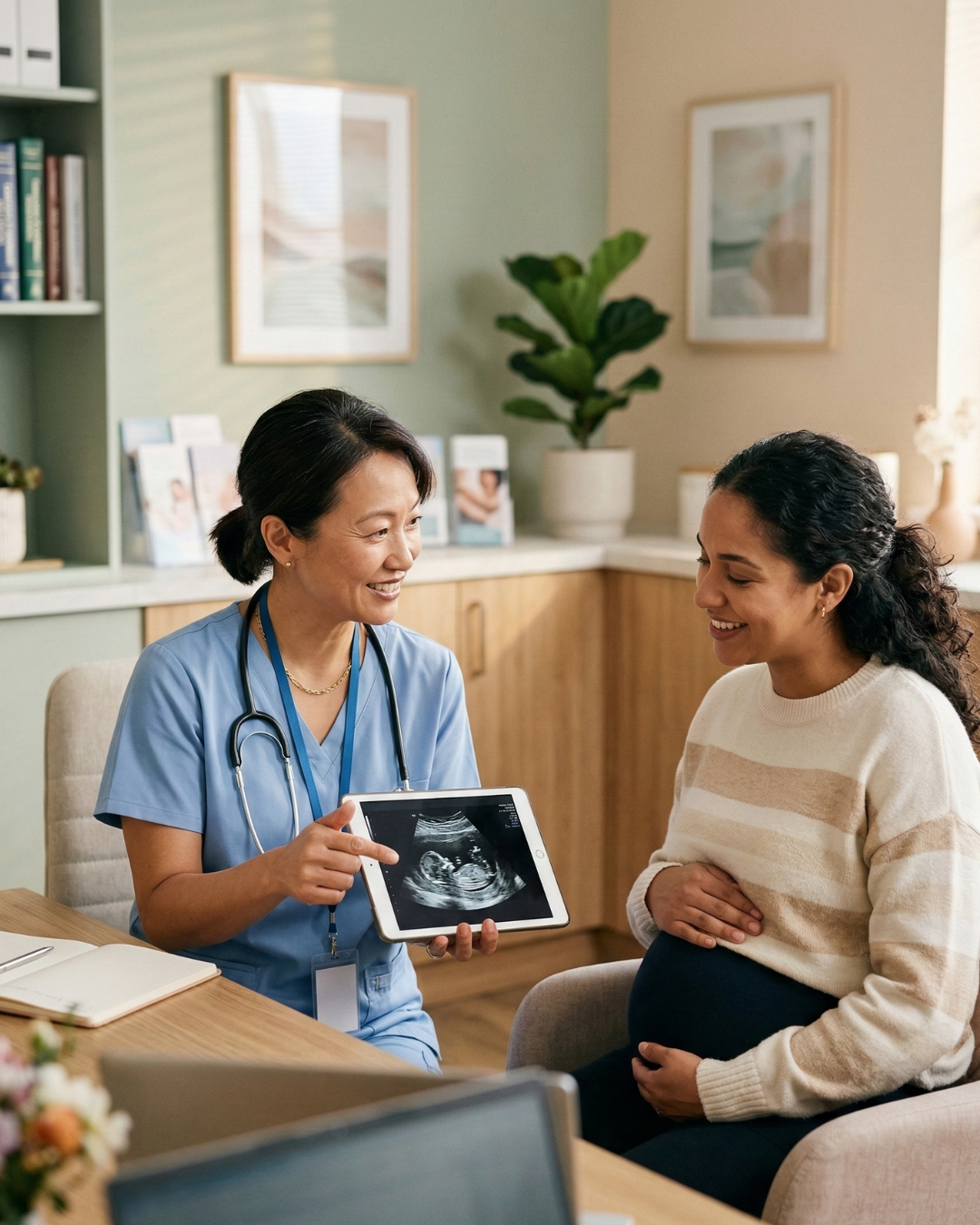
You can influence fibroid symptoms, hormone balance and treatment timing. But you cannot control fibroids 100 percent with diet, exercise or supplements alone. Fibroids are driven by several factors, including hormones, genetics, age, weight, fibroid type and location. The smarter goal is not total control. It is early tracking, realistic lifestyle support and timely treatment when symptoms affect health.
Can fibroids be controlled 100 percent?
No. Fibroids cannot be controlled 100 percent by lifestyle changes. Many women hear that diet, exercise, herbal remedies or weight loss can shrink fibroids completely. That is not reliable.
Healthy habits can support overall hormonal health. They may reduce inflammation, help with weight management and improve energy. They may also make periods easier for some women. But they cannot guarantee that a fibroid will disappear, stop growing or stop causing symptoms.
Fibroids need a practical plan. Some only need observation. Some need medicines for bleeding. Some need hysteroscopy, laparoscopy, myomectomy, robotic surgery or other treatment depending on size, location, symptoms and pregnancy plans.
What are fibroids?
Fibroids are non-cancerous growths that develop in or around the uterus. They are also called uterine fibroids, leiomyomas or myomas. They are common during reproductive years.
A woman may have one fibroid or many. A fibroid may be very small, or it may become large enough to change the shape of the uterus. The effect of a fibroid depends less on the name and more on its size, number and location.
- Submucosal fibroids grow toward the inner cavity of the uterus and often cause heavy bleeding.
- Intramural fibroids grow inside the muscle wall of the uterus.
- Subserosal fibroids grow toward the outside of the uterus and may cause pressure symptoms.
- Pedunculated fibroids grow on a stalk and can sometimes cause pain if they twist.
What is in your control?
Lifestyle cannot promise fibroid shrinkage, but it can still matter. It can improve your general health, reduce anemia risk, support better periods and help you prepare for treatment if needed.
Think of lifestyle as support, not as a cure. It works best when combined with regular review and symptom tracking.
- Weight management can help because excess body fat may influence estrogen balance.
- Regular exercise can improve insulin sensitivity, mood, sleep and menstrual comfort.
- A balanced diet rich in vegetables, fruits, whole grains and protein can support overall health.
- Iron-rich foods and iron treatment, when advised, can help with anemia from heavy bleeding.
- Stress management can improve sleep and coping, even if it does not directly shrink fibroids.
- Tracking periods, clots, pain, pressure and bladder symptoms helps your doctor judge severity.
What is not fully in your control?
Some fibroid factors are biological. You did not cause them by eating one wrong food or missing exercise. Genetics, hormones and fibroid location can strongly affect how fibroids behave.
This matters because guilt delays care. A woman may keep trying home remedies while heavy bleeding causes anemia, or while a cavity-distorting fibroid affects fertility planning.
- Family history can increase fibroid risk.
- Estrogen and progesterone can influence fibroid growth.
- Age can affect growth pattern, especially before menopause.
- Fibroid location can decide whether bleeding, pressure or fertility is affected.
- Some fibroids shrink after menopause, but this does not happen the same way for everyone.
- A fibroid that distorts the uterine cavity may need treatment even if it is not very large.
Can diet shrink fibroids?
Diet alone cannot reliably shrink fibroids. A healthy diet may support weight management and reduce the impact of heavy bleeding, but it should not be presented as a guaranteed treatment.
Be careful with online claims about special teas, detoxes, seed mixes or supplements that promise to dissolve fibroids. If a fibroid is causing heavy bleeding, anemia, pain, pressure or fertility concerns, delaying medical care can make the situation harder.
- Use diet to support health, not to replace diagnosis.
- Prioritise iron and protein if heavy bleeding has caused weakness or anemia.
- Avoid crash diets because they can worsen fatigue and nutritional deficiency.
- Discuss supplements with your doctor, especially if you take blood thinners or hormonal medicines.
Can fibroids go away on their own?
Some fibroids stay the same size for years. Some grow slowly. Some may shrink after menopause when hormone levels change. But it is not possible to predict this perfectly for every woman.
If your fibroid is small and you have no symptoms, your doctor may advise watchful waiting with periodic review. If you have symptoms, waiting without a plan is different. Heavy bleeding, anemia, infertility, pain or rapid growth need proper evaluation.
Symptoms that need medical review
Many fibroids cause no symptoms. But when symptoms appear, they can affect daily life, fertility, sexual comfort, work, travel and energy levels.
Do not wait for symptoms to become severe before booking a visit. Earlier evaluation gives you more treatment choices.
- Heavy periods that soak pads quickly.
- Periods lasting more days than usual.
- Large clots during periods.
- Bleeding between periods.
- Low hemoglobin or anemia.
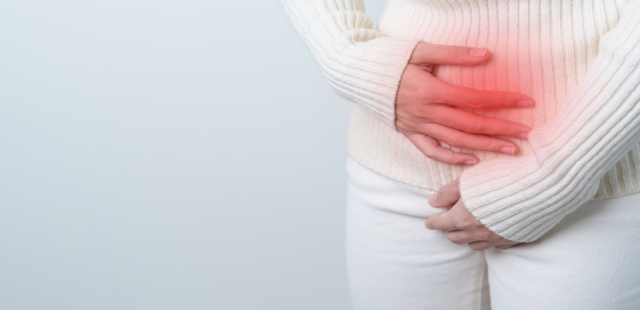
- Pelvic pain, pressure or heaviness.
- Frequent urination or difficulty emptying the bladder.
- Pain during intercourse.
- Difficulty conceiving or repeated pregnancy loss.
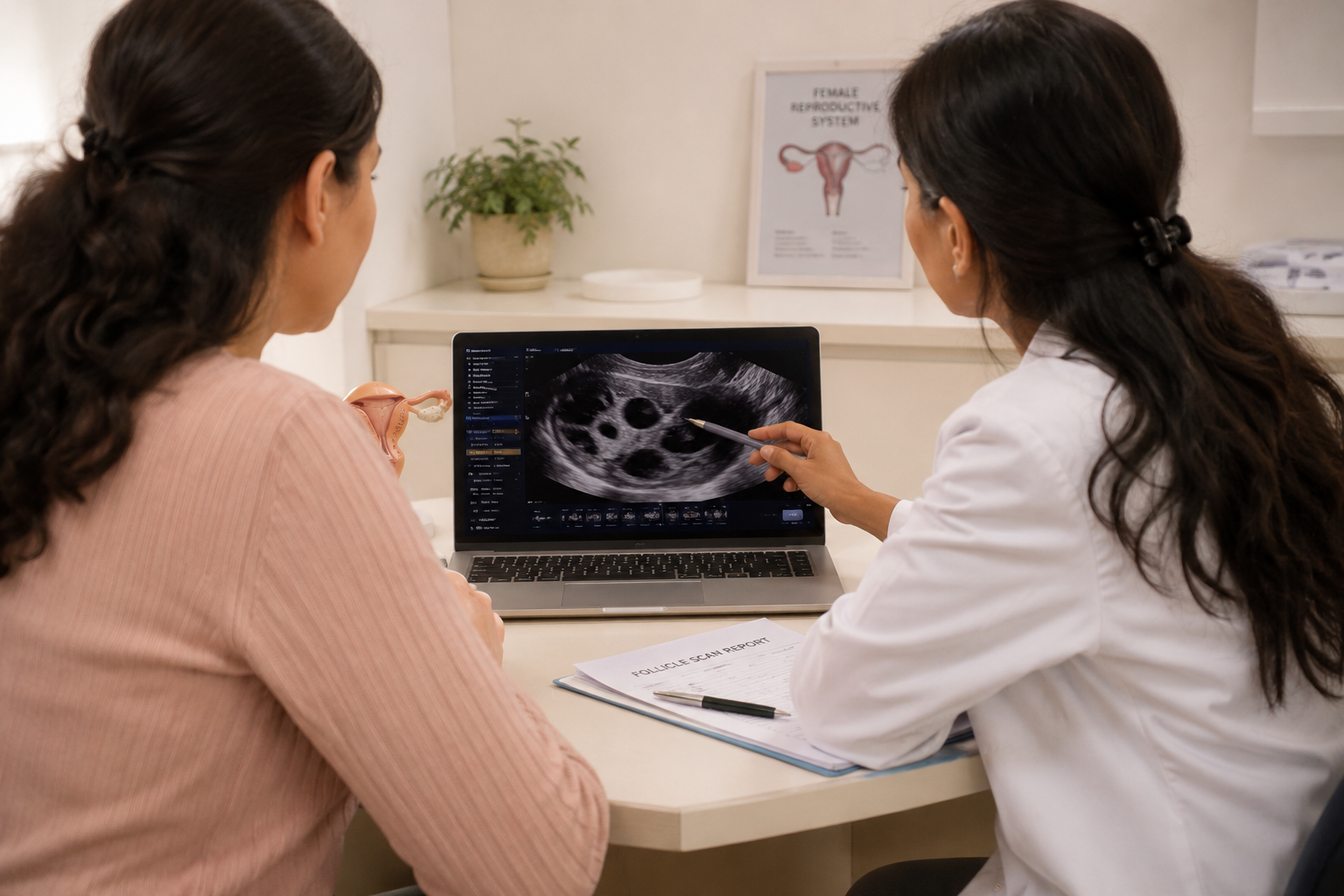
- Fibroid growth seen on repeat ultrasound.
Fibroids and pregnancy planning
Not every fibroid affects pregnancy. The important question is where it is. A fibroid that pushes into the uterine cavity may affect implantation, bleeding or miscarriage risk more than a fibroid sitting on the outer surface of the uterus.
If you are planning pregnancy, do not decide based only on fibroid size. Ask whether the fibroid changes the shape of the uterine cavity, whether tubes and ovaries are normal, and whether treatment is needed before trying to conceive.
A gynecologist and obstetrician can connect fibroid care with fertility and pregnancy goals. This is especially useful when the plan may involve hysteroscopy, laparoscopy, myomectomy or high-risk pregnancy care later.
How doctors decide treatment
Fibroid treatment is not one fixed pathway. The right choice depends on symptoms, age, hemoglobin level, ultrasound findings, fibroid location, fertility goals and how much the symptoms affect daily life.
Some women need only observation. Some need medicines to control bleeding. Some may benefit from a hormone-releasing IUD if the uterus shape allows it. Some need fibroid removal while preserving the uterus. A few may need hysterectomy when symptoms are severe and future pregnancy is not desired.
- Observation may be enough when fibroids are small and symptoms are absent.
- Medicines may help reduce heavy bleeding or pain, but may not remove fibroids.
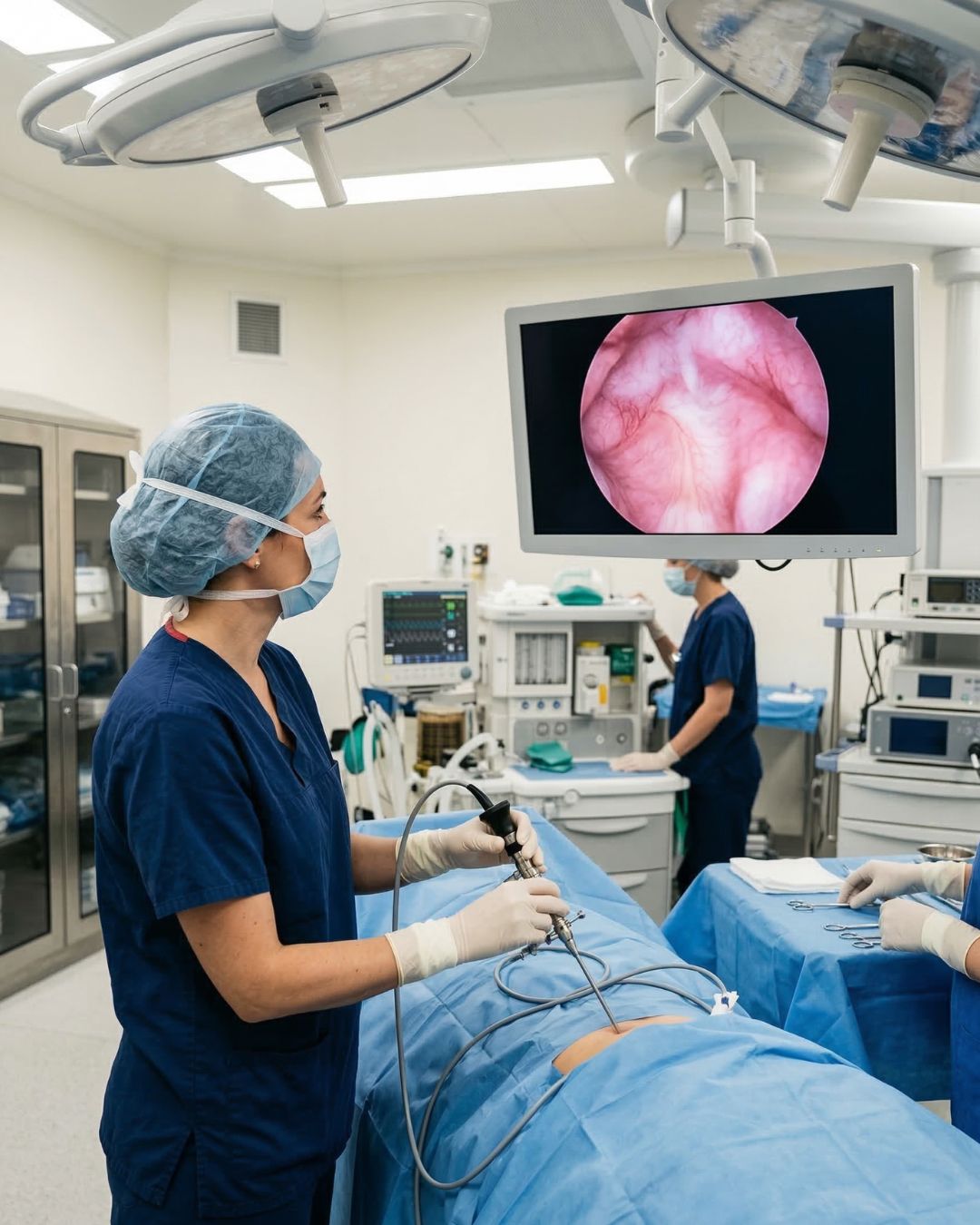
- Hysteroscopy can treat selected fibroids that project into the uterine cavity.
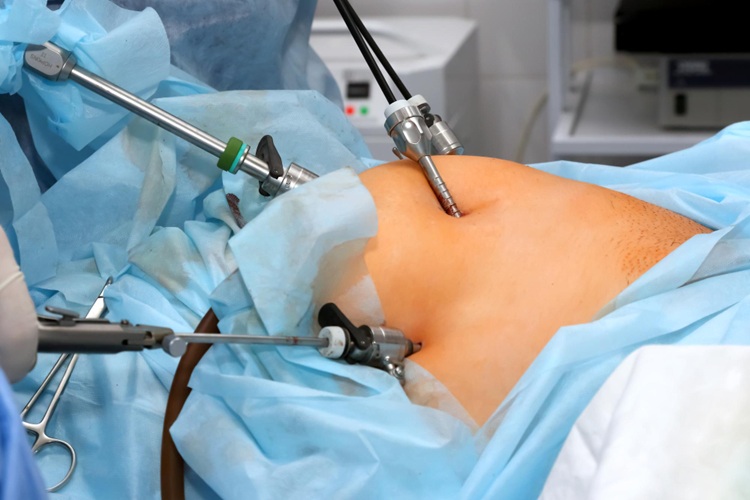
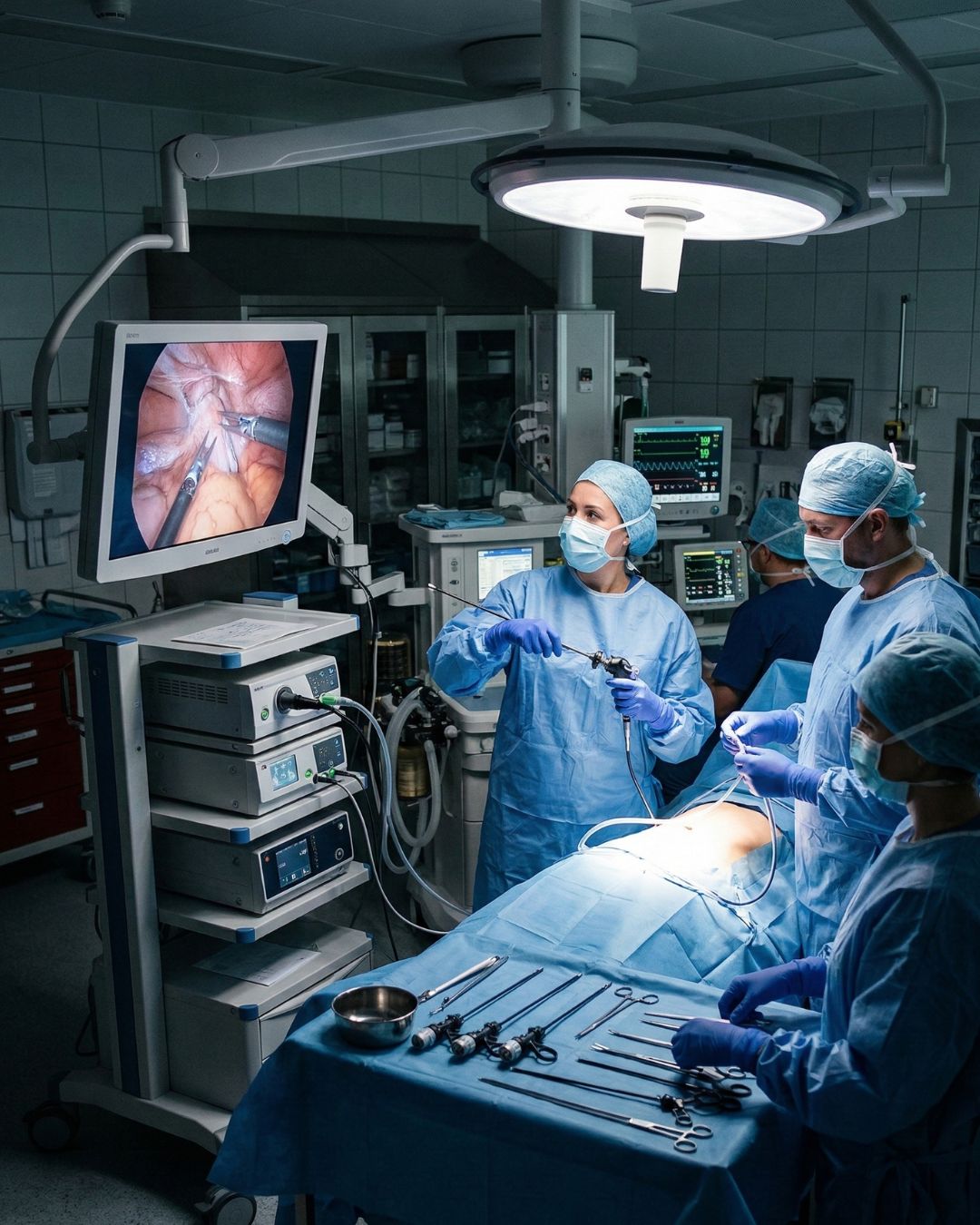
- Laparoscopic surgery may help selected fibroids with smaller cuts and faster recovery.
- Robotic surgery may be considered for selected complex fibroid cases.
- Myomectomy removes fibroids while preserving the uterus.
- Hysterectomy removes the uterus and is considered only when clinically appropriate.
Your realistic fibroid control plan
The most useful approach is to separate what you can control from what needs medical care. This gives you a clear plan instead of fear.
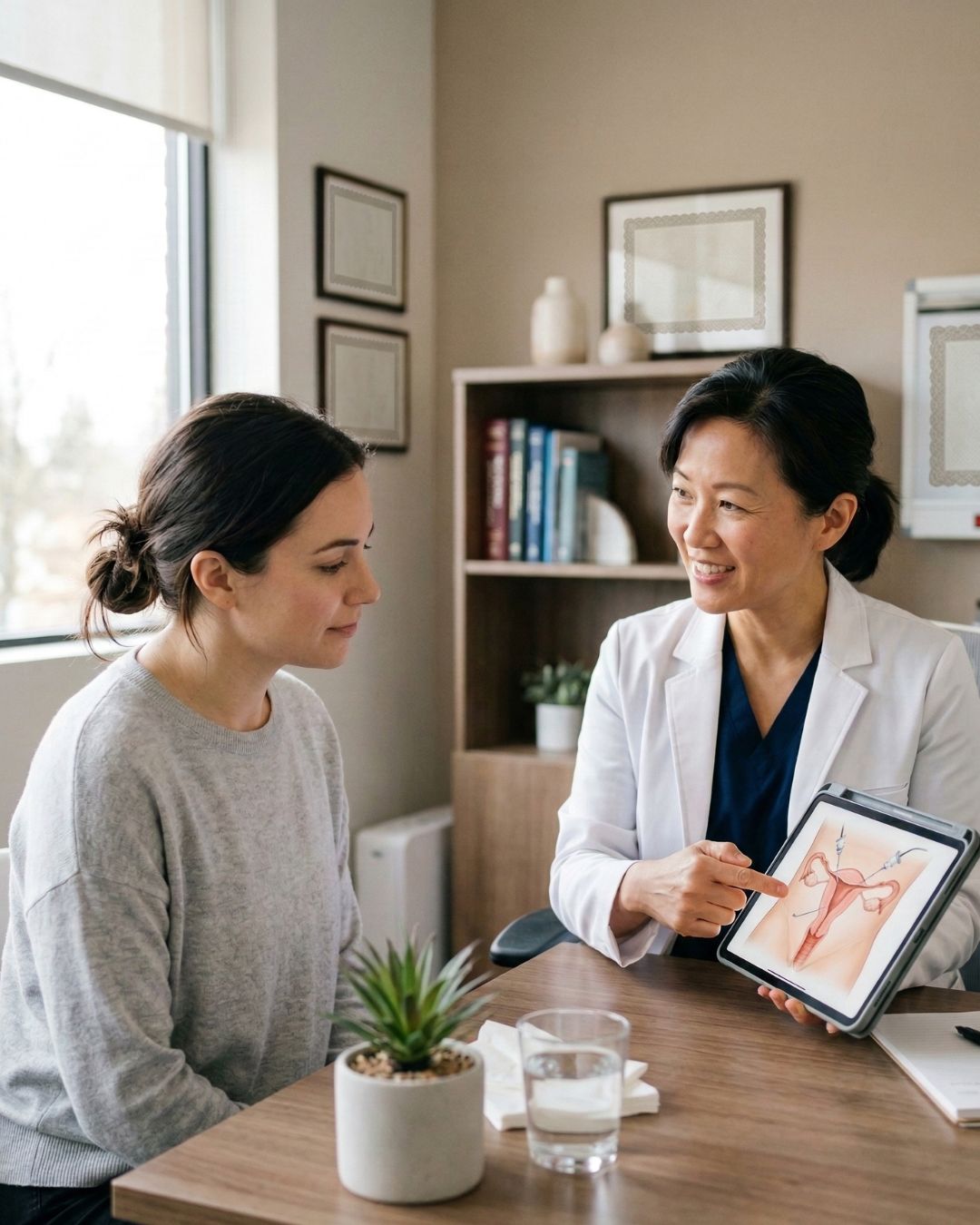
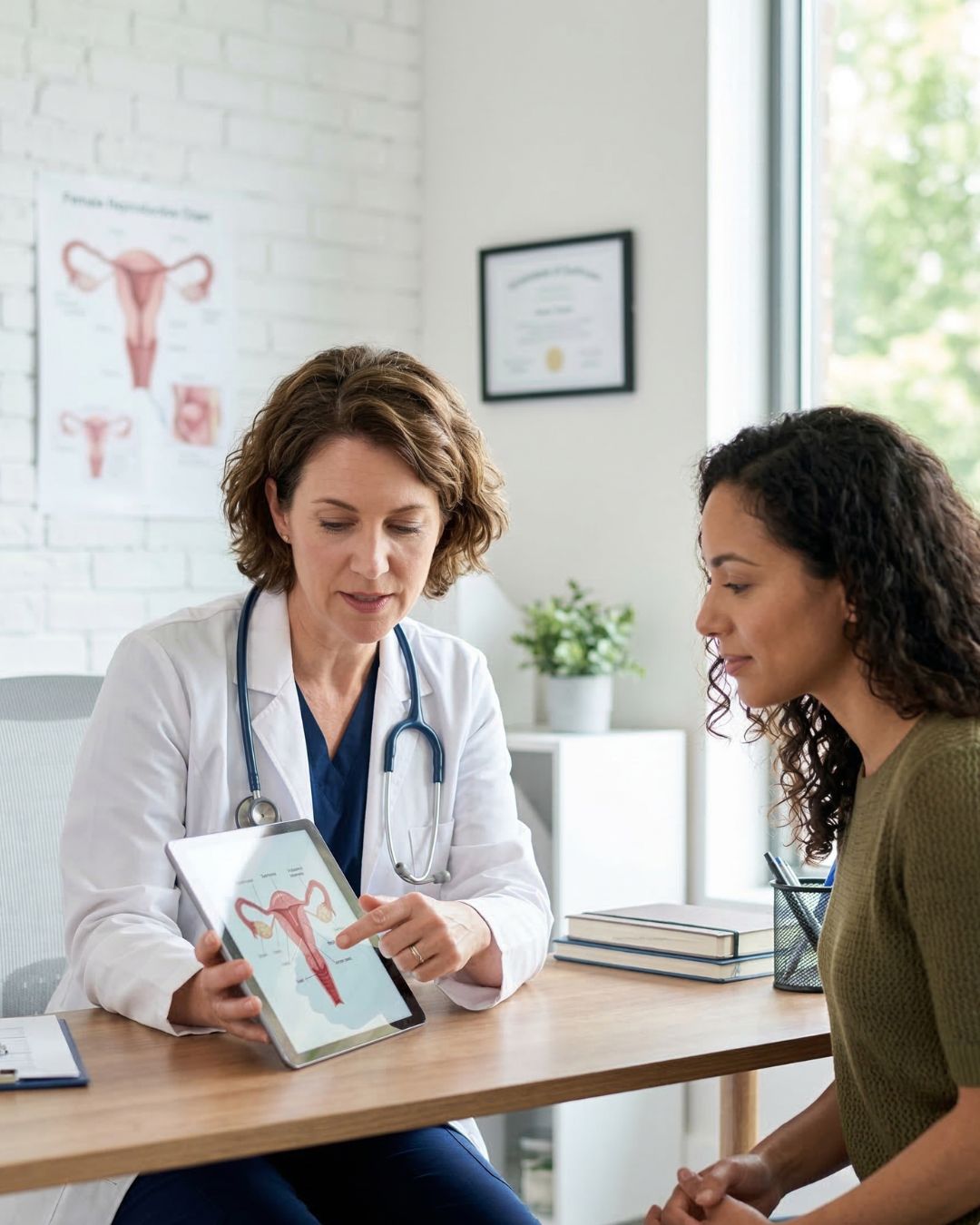
At Raheja Clinic, Dr Tripti Raheja helps patients understand fibroid size, location, symptoms and fertility goals before deciding treatment. Patients looking for the best gynecologist in Delhi often need this kind of practical explanation, especially when they are comparing lifestyle changes, medicines, laparoscopic surgery or robotic fibroid surgery.
- Track your period flow, clots, pain and pressure symptoms for 2 to 3 cycles.
- Check hemoglobin if bleeding is heavy or fatigue is persistent.
- Get an ultrasound report that clearly mentions fibroid size and location.
- Ask whether the fibroid affects the uterine cavity.
- Discuss fertility plans before choosing any procedure.
- Treat anemia and heavy bleeding early.
- Choose observation, medicines or surgery based on symptoms and goals, not fear.
Resources
Common questions
Can fibroids be controlled naturally?
Fibroid symptoms may improve with healthy habits, but fibroids cannot be controlled 100 percent naturally. Diet, exercise and weight management can support health, but they cannot guarantee fibroid shrinkage or prevent growth.
Can diet shrink fibroids?
Diet alone cannot reliably shrink fibroids. A balanced diet can support weight, energy and anemia recovery, especially if periods are heavy. But symptomatic fibroids still need medical review.
Can fibroids go away on their own?
Some fibroids stay stable and some may shrink after menopause. But others grow or continue causing symptoms. Whether you can wait depends on symptoms, age, fibroid size, location and pregnancy plans.
Are fibroids cancerous?
Fibroids are usually benign, which means non-cancerous. Rarely, a different type of tumor can look similar, so rapid growth, unusual symptoms or uncertainty on imaging should be reviewed by a doctor.
When should I see a gynecologist for fibroids?
See a gynecologist if you have heavy bleeding, anemia, pelvic pain, pressure, frequent urination, bleeding between periods, difficulty conceiving, repeated miscarriage or fibroid growth on repeat ultrasound.
Do all fibroids need surgery?
No. Many fibroids do not need surgery. Treatment depends on symptoms, fibroid size, fibroid location, age, hemoglobin level and fertility goals. Some women need only observation or medicines.
Which fibroids affect fertility the most?
Fibroids that distort the uterine cavity, especially submucosal fibroids, are more likely to affect fertility. Other fibroids may or may not matter depending on size and location.
Can fibroids cause heavy bleeding?
Yes. Fibroids, especially those near or inside the uterine cavity, can cause heavy periods, prolonged bleeding, clots and anemia. Heavy bleeding should be evaluated because other causes can also be present.